

A groundbreaking global study reveals an alarming rise in childhood hypertension: implications and urgent need for action.
In a striking revelation published in The Lancet Child & Adolescent Health journal, an updated systematic review and meta-analysis has illuminated an almost twofold increase in the global prevalence of hypertension among children and adolescents under the age of 19 between 2000 and 2020. This comprehensive analysis, which synthesized data from 96 major studies encompassing over 443,000 young individuals across 21 countries, exposes critical trends about childhood hypertension that were previously underestimated, urging the scientific and medical communities to recalibrate their approach to diagnosis and intervention.
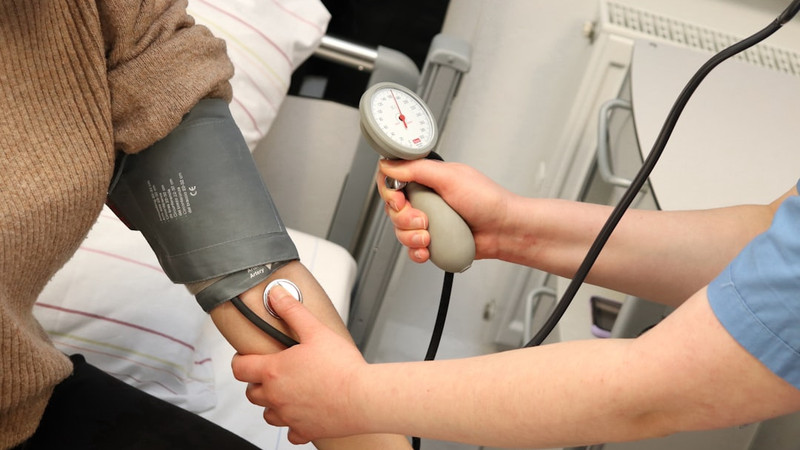
The study meticulously examined varied blood pressure measurement methodologies and demonstrated their profound impact on prevalence estimates. Traditional clinical diagnostics based solely on multiple in-office visits yield an approximate hypertension prevalence of 4.3%. However, when incorporating out-of-office assessments—such as ambulatory blood pressure monitoring (ABPM) and home blood pressure monitoring (HBPM)—the true prevalence rises sharply to approximately 6.7%. This finding strongly suggests that reliance on in-office measurements alone notably underestimates the global burden of childhood hypertension, missing nearly 9.2% of cases exhibiting masked hypertension, where elevated blood pressure is untraceable during conventional medical appointments.
Masked hypertension represents a particularly insidious challenge. This phenotype occurs when children maintain normal blood pressure readings under clinical observation but exhibit hypertensive measurements during everyday activities outside the medical environment. By contrast, white-coat hypertension—where elevated readings appear exclusively in medical settings—was found to affect 5.2% of young individuals globally, highlighting the complex diagnostic landscape and the risk of misclassification. Incorporating ABPM or HBPM could revolutionize accurate identification, enabling clinicians to tailor treatment more effectively and potentially reducing morbidity.
Obesity emerged as a dominant risk factor driving this unsettling rise in childhood hypertension. The meta-analysis disclosed an alarming statistic: nearly 19% of children and adolescents with obesity were hypertensive, a striking eightfold increase compared to their healthy-weight counterparts, where prevalence hovered around 2.4%. The pathophysiological nexus between obesity and hypertension in youth is attributed to multifaceted mechanisms including insulin resistance, endothelial dysfunction, and structural vascular changes, which collectively disrupt homeostatic regulation of blood pressure.
Prehypertension, or elevated blood pressure levels not meeting full diagnostic criteria for hypertension, was also identified as a significant precursor state. Approximately 8.2% of children globally fall within this category, with prevalence peaking at nearly 11.8% during adolescence—a critical developmental window. This elevation in blood pressure trajectory during early teenage years, particularly around age 14 and more pronounced among boys, implies that interventions should be strategically targeted during these vulnerable stages to intercept progression to frank hypertension and mitigate long-term cardiovascular risk.

