
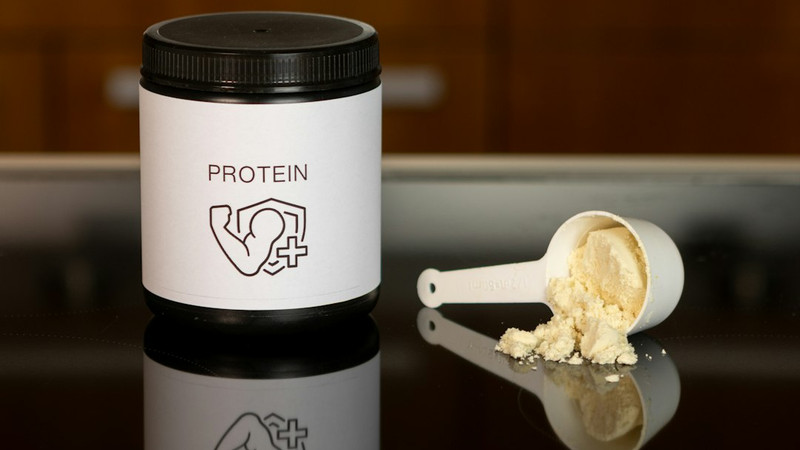
A powder best known to gym-goers and protein-shake regulars is now turning heads in one of cancer medicine’s toughest battles.
In a small early trial, patients with advanced pancreatic cancer who took clinical-grade L-glutamine alongside standard chemotherapy lived a median of 22 months—a result researchers called encouraging in a disease where treatment options can be brutally limited.
But before anyone starts scooping glutamine into water at home, doctors stress the finding is a signal—not a green light. The study was small, had no comparison group, and cannot prove the supplement was the reason patients lived longer.cedars-sinai+1
The surprising result
The trial paired a clinical version of L-glutamine with gemcitabine and nab-paclitaxel, a commonly used chemotherapy combination for advanced pancreatic ductal adenocarcinoma.
Among 16 evaluable patients, researchers reported:
- A median overall survival of 22 months
- A median progression-free survival of 8.5 months
- Tumor shrinkage in 15 participants
- Stable body weight in about half of participants
Those numbers are compelling enough to justify more research. They are not enough to declare L-glutamine a new standard treatment.
This was a Phase 1, single-arm study. Everyone got chemotherapy plus L-glutamine; there was no matched group receiving chemotherapy without glutamine. Researchers therefore cannot separate the amino acid’s possible contribution from differences in patient selection, supportive care, treatment response, or chance.cedars-sinai+1
Why this has doctors intrigued
L-glutamine is not an exotic new drug. It is an amino acid that the body uses in protein metabolism and that many people recognize from sports-nutrition products.
That is precisely what makes the finding both fascinating and complicated.
Pancreatic tumors can rewire how they use glutamine to help fuel growth and handle cellular stress. Scientists have spent years exploring ways to block glutamine-related pathways in cancer cells. Now, this small human trial has raised a different possibility: under tightly supervised conditions, adding clinical-grade L-glutamine to a specific chemotherapy regimen could potentially affect treatment tolerance, nutrition, the tumor environment, or how cancer cells respond to chemotherapy.
Researchers have not yet proven which, if any, of those mechanisms explains the results.pmc.ncbi.nlm.nih+2
Not the same as a tub of powder
The headline-worthy survival signal should not be confused with a DIY cancer-treatment plan.
The study used a clinical-grade L-glutamine formulation as part of monitored cancer care. It did not test random retail products, prove that over-the-counter glutamine has the same effect, or show that glutamine alone shrinks pancreatic tumors.
Cancer nutrition is intensely personal. Pancreatic cancer can cause major weight loss, trouble digesting food, diarrhea, nausea, appetite changes, blood-sugar problems, and pancreatic enzyme insufficiency. What helps one patient may be wrong for another.
There is another reason for caution: glutamine is involved in cancer-cell metabolism, and nutrition guidelines have warned against routine long-term glutamine supplementation for cancer cachexia outside dedicated studies.
The bottom line
This is a genuine “watch this space” finding—not a miracle-cure headline.
A small early study found that patients with advanced pancreatic cancer who received clinical-grade L-glutamine plus chemotherapy had unexpectedly encouraging outcomes, including a reported median survival of 22 months. But the trial cannot prove glutamine caused the result, and larger randomized studies must confirm whether the approach truly helps patients live longer.
Medical disclosure: This article is for general educational and informational purposes only. It is not medical advice and does not replace care from a qualified oncology team. People with pancreatic cancer should discuss any dietary supplement, nutrition change, or treatment concern with their oncologist, pharmacist, and oncology dietitian before starting it. Do not delay, stop, or change cancer treatment based on this article.

