
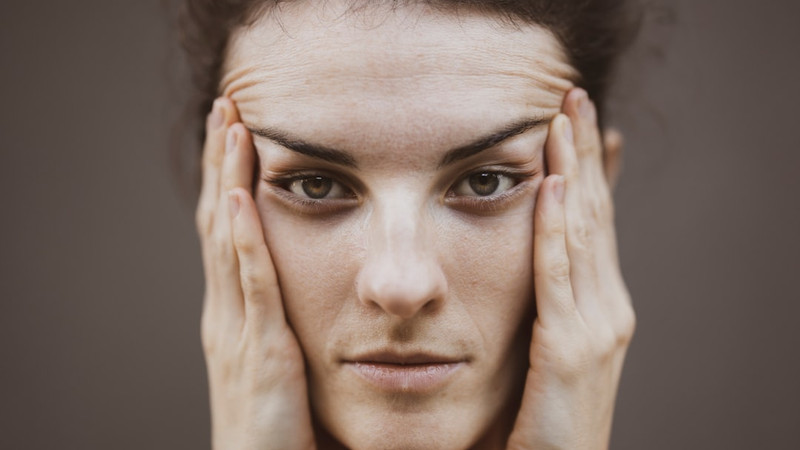
The internet has a new obsession: “Cortisol Face.”
If your feed is full of swollen cheeks, jawline breakouts, and influencers diagnosing themselves over morning coffee, you’re not alone.
But behind the hashtag lies something real — a biological cascade that dermatologists and endocrinologists have been warning about for years. TikTok may have turned it into a trend, but chronic stress is showing up on millions of faces long before anyone hits “record.”
And experts say the signs go deeper than puffiness.
What Is Cortisol Face? The Real Hormone Story Behind the Viral Trend
“Cortisol face” is the internet’s rebranding of symptoms linked to hypercortisolism, a state where the stress hormone cortisol stays elevated for too long.
High cortisol can trigger:
Jawline and cheek acne
Water retention and facial swelling
Thinning skin and early wrinkles
Loss of collagen and elasticity
A rounded, puffy “moon face” appearance
The kicker? These aren’t just cosmetic issues. They’re biochemical red flags that your stress response has gone haywire.
And once the cycle starts — you look stressed, you feel stressed, and cortisol rises again — your skin never gets the break it needs to repair.
Is It Stress — Or Something More Serious? The Medical Conditions People Overlook
Here’s where the internet gets it wrong: not all facial swelling is cortisol face.
True hormonal disorders include:
Cushing’s syndrome
Pituitary or adrenal tumors
Long-term steroid medication use
These conditions dramatically elevate cortisol and require medical treatment — not skincare hacks or herbal powders.
A physician should always check persistent swelling, sudden facial roundness, and unrelenting fatigue.
How Anxiety Supercharges Cortisol — And Your Face Shows It First
Stress lights the match. Anxiety disorders pour gasoline on it.
Generalized anxiety disorder, panic disorder, and chronic fear keep the body stuck in sympathetic overdrive — the fight-or-flight state that pushes cortisol higher and higher.
What happens next?
Inflammation increases
Water retention spikes
Skin healing slows
Puffiness becomes constant
Panic attacks make it worse. Your heart races, your breath shortens, your body screams “danger!” even if you’re sitting safely at home. An anxious brain can trigger a cortisol surge powerful enough to reshape your face over time.
This is why many people think they have a “skin problem” when the issue is actually neurochemical.
Can Supplements Fix Cortisol Face? The Truth About Ashwagandha and Other Trends
The wellness world is pushing everything from adaptogen powders to gummy de-stressors.
But here’s the reality:
Ashwagandha has clinical data showing it can lower serum cortisol and improve sleep quality.
But it’s not a solution for medical endocrine disorders.
And low-quality extracts have been linked to rare liver injury, so sourcing matters.
A supplement can support your nervous system — it can’t dismantle chronic stress all by itself.
If anxiety, panic attacks, or medication-related changes are driving cortisol up, the fix has to address the root cause.
The Only Long-Term Fix: Lifestyle Changes That Actually Lower Cortisol
If your high cortisol comes from modern life — anxiety, pressure, burnout — the only lasting solution isn’t in a bottle. It’s in your daily habits.
Dermatologists and hormone specialists agree on the big three:
1. Sleep is your cortisol regulator.
Less than 7 hours? Expect inflammation and puffiness.
2. Caffeine overload equals cortisol overload.
Your third iced coffee is not helping your jawline.
3. Slow movement and nervous-system downshifting work.
Breathwork, somatic exercises, and mindfulness have measurable biochemical effects on stress hormones. Consistency beats any trending trick.
What Your Face Is Trying to Tell You
TikTok may have turned “cortisol face” into a meme, but your skin isn’t joking.
Your face is often the first place chronic stress shows up — and the last place it disappears.
If you’re waking up swollen, breaking out, or feeling “inflamed” for no reason, this isn’t just about beauty. It’s about biology.
Fix the internal stress engine, and the external symptoms finally have room to fade.
Medical Disclaimer
This article is for informational purposes only and is not a substitute for professional medical evaluation, diagnosis, or treatment. Always consult a qualified healthcare provider about any health concerns.

