
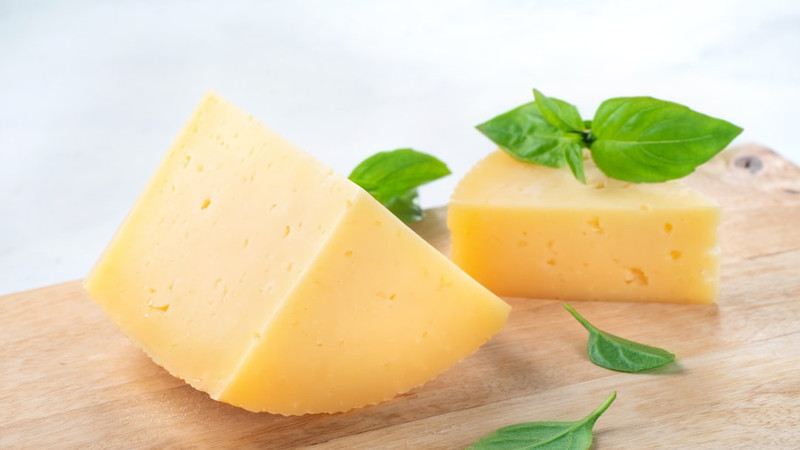
Cheese has landed in the dementia debate — and not in the way most people would expect. A new observational study from Japan suggests that people who regularly ate cheese had a slightly lower risk of developing dementia. Still, researchers and nutrition experts warn that the finding comes with major limitations.
The takeaway isn’t that cheese prevents dementia — it’s that diet patterns matter, and even small differences may influence long-term brain health.
What the Dementia Study Actually Found
Researchers followed 7,914 adults in Japan for three years, tracking dietary habits and the development of dementia symptoms. By the end of the study, fewer dementia cases were seen among people who reported eating cheese regularly.
134 dementia cases occurred among cheese eaters
176 cases occurred among non-cheese eaters
That translated to a 1.06 percentage-point lower dementia risk for those who consumed cheese. The difference was modest, but statistically significant, suggesting a possible link between dairy intake and cognitive health.
The study was published in the peer-reviewed journal Nutrients.
Why Japan’s Diet Makes This Finding Tricky
Japan has one of the lowest cheese consumption rates in the developed world. The average Japanese adult eats about 2.6 kilograms of cheese per year, compared with more than 17 kilograms per person in the United States.
Because baseline intake is so low, even small increases in cheese consumption may appear more impactful in statistical models. In countries where cheese is already consumed daily, similar increases may not show the same association with dementia risk.
The study also did not examine dose-response effects — meaning it did not determine whether eating more cheese leads to greater benefit, or whether higher intake could erase any advantage.
This Was an Observational Study — Not Proof
The research did not establish cause and effect. It simply observed an association between cheese consumption and dementia risk over a relatively short three-year period.
That leaves open many alternative explanations:
Cheese eaters may have healthier overall diets
They may have a higher socioeconomic status
They may have better access to healthcare
They may exercise more or manage cardiovascular risk better
Any of these factors could independently influence dementia risk, regardless of cheese.
Most of the Cheese Was Processed
More than 80% of the cheese consumed by participants was processed cheese, not traditionally fermented varieties.
This matters because processed cheese is often high in sodium and saturated fat — nutrients that can negatively affect blood pressure and cholesterol, both known risk factors for dementia and vascular cognitive impairment.
That said, fermented cheeses may contain nutrients that could support brain health, including:
Vitamin K2
Protein and essential amino acids
Selenium and vitamin E
Probiotic bacteria and bioactive peptides
The study did not directly test these mechanisms.
Why This Doesn’t Mean Cheese Prevents Dementia
Large amounts of cheese — especially in Western-style diets — can increase sodium and saturated fat intake beyond recommended levels. That can worsen cardiovascular health, which is closely linked to cognitive decline and dementia risk.
Most large population studies suggest that moderate cheese intake is neutral to mildly beneficial, depending on portion size, cheese type, and overall dietary context.
Cheese eaten in small amounts alongside vegetables, legumes, whole grains, and healthy fats is very different from cheese consumed as part of ultra-processed, high-fat meals.
The Bottom Line on Cheese and Brain Health
This study suggests that modest cheese consumption within a balanced diet may be associated with a slightly lower dementia risk in populations with low cheese intake.
It does not, on its own, show that cheese prevents dementia, improves memory, or protects against cognitive decline.
If cheese plays a role, it is likely as part of a larger dietary pattern that supports vascular and brain health—not as a standalone solution.
Medical Disclaimer
This article is for informational and educational purposes only and is not medical advice.

