

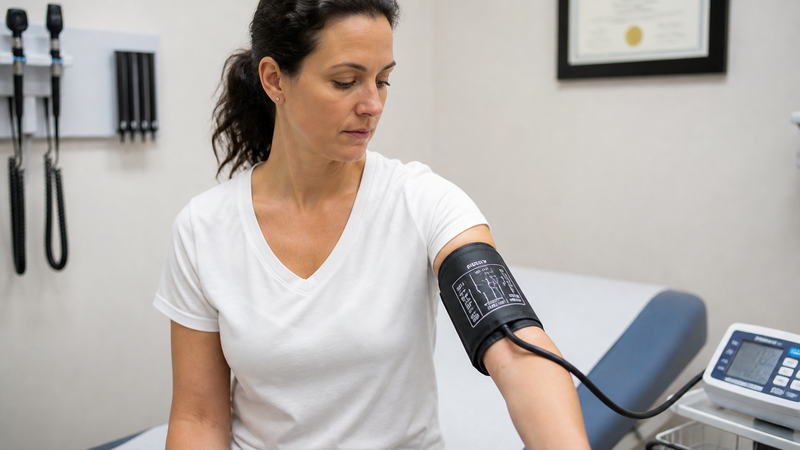
Blood Pressure Crisis Is No Longer Just an Older Adult Problem
High blood pressure used to be considered an older adult's problem. New data says it's showing up decades earlier — and most people have no idea.
If you think hypertension is something to worry about in your 60s, the latest research wants a word with you. Blood pressure problems are climbing fast among adults in their 20s, 30s, and 40s, and the consequences can follow them for life. Here's what's driving the trend and what you can actually do about it.
The Numbers Don't Lie
According to the Centers for Disease Control and Prevention, nearly half of American adults have high blood pressure, defined as a reading of 130/80 mmHg or higher under guidelines updated by the American Heart Association. What's changed is who's in that group.
Research published in JAMA Cardiology has documented a significant rise in hypertension rates among younger adults over the past two decades. This isn't a small statistical blip — it's a meaningful shift in who is being diagnosed and when.
Here's the part that makes this especially tricky: high blood pressure usually has no symptoms. Younger adults often feel fine, skip routine checkups, and go years without knowing their numbers are dangerously high.
Why It's Happening Earlier
Researchers and public health experts point to several overlapping factors driving the rise in younger adults.
- Obesity rates: Excess body weight is one of the strongest risk factors for hypertension, and obesity rates have risen sharply in younger age groups over the past two decades.
- High-sodium diets: Processed and fast food remain dietary staples for many younger adults, and sodium is directly linked to elevated blood pressure.
- Physical inactivity: Sedentary lifestyles — driven in part by desk jobs and screen time — reduce the cardiovascular fitness that helps keep blood pressure in a healthy range.
- Chronic stress: Financial pressure, career demands, and poor sleep all activate the body's stress response, which over time can push blood pressure higher.
- Alcohol consumption: Drinking more than moderate amounts on a regular basis is associated with higher blood pressure readings.
No single factor tells the whole story. For most younger adults with hypertension, it's a combination of lifestyle patterns that have built up over years.
Why Starting Young Matters More Than You Think
Here's why doctors are concerned. Blood pressure doesn't just affect your heart in the moment — it affects the health of your arteries over time. Years of elevated pressure gradually damage blood vessel walls, raising the long-term risk of heart attack, stroke, and kidney disease.
The younger hypertension starts, the more years of cumulative damage accumulate before it's caught and treated. A 35-year-old with uncontrolled high blood pressure may be doing quiet, compounding harm to their cardiovascular system for decades before any obvious symptoms appear.
The American Heart Association has described this as a serious public health concern, noting that early intervention is critical to reducing long-term cardiovascular risk.
Lifestyle Changes That Actually Move the Needle
The good news is that for many younger adults, blood pressure responds well to lifestyle changes — especially when those changes are made before the condition becomes severe. These are not miracle claims. They are well-supported strategies backed by years of research.
- Reduce sodium: Cutting back on processed foods and salty snacks is one of the most direct ways to lower blood pressure. The American Heart Association recommends no more than 2,300 mg of sodium per day, with an ideal target of 1,500 mg for most adults with hypertension.
- Move more: Regular aerobic exercise — even 30 minutes of brisk walking most days — is consistently associated with meaningful blood pressure reductions.
- Watch your weight: Even modest weight loss in people who are overweight can lead to measurable drops in blood pressure readings.
- Limit alcohol: Cutting back to one drink per day or less is linked to lower blood pressure in people who drink regularly.
- Manage stress: Practices like mindfulness, deep breathing, and consistent sleep routines are linked to lower stress hormones that contribute to hypertension.
- Eat more potassium-rich foods: Foods like bananas, sweet potatoes, leafy greens, and beans help balance the effects of sodium on blood pressure.
These steps are most effective in combination, not in isolation. And they work best alongside regular medical monitoring.
When Lifestyle Isn't Enough
For some people, lifestyle changes alone may not bring blood pressure to a safe range. That's not a failure — it's biology. Genetics, kidney function, and other underlying conditions can all influence blood pressure independent of how well a person eats or exercises.
If your readings remain elevated despite real efforts to change your habits, that's an important conversation to have with your doctor. There are effective medications for hypertension, and the decision about whether to start one — and which one — is personal and should be made with a healthcare provider who knows your full health picture.
Never start, stop, or adjust a blood pressure medication on your own.
The Bottom Line
High blood pressure is no longer a condition you can put off worrying about until your 60s. It's showing up earlier, often with no warning signs, and the damage it does is cumulative. The most powerful thing you can do right now is know your numbers — and if they're elevated, take it seriously. Talk to your doctor, look honestly at your lifestyle, and remember that the choices you make in your 40s are quietly shaping the health you'll have in your 70s.
