

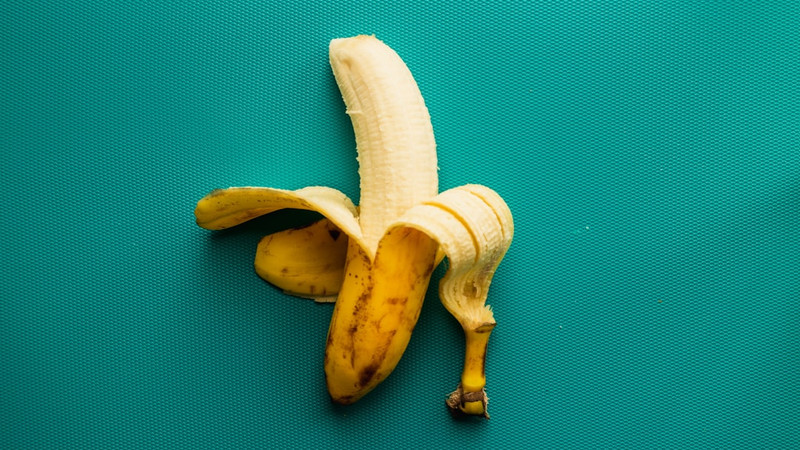
You can’t “cure” high blood pressure with a banana. But you can stack the deck. Potassium helps your body push out extra sodium, and these five fruits load it in without feeling like a chore.
1. Bananas: the easy win
If you want a no‑brainer move, this is it.
One medium banana gives you a solid hit of potassium plus a few grams of fiber, in about 30 seconds flat.
Over time, that combo can shave a few points off both the top and bottom numbers and quietly lower your long‑term risk of heart disease and stroke.
Not dramatic. Just dependable.
2. Pomegranate: the heavy hitter
Pomegranate is the overachiever on this list.
The seeds and juice are rich in potassium and packed with polyphenols—plant compounds your arteries love.
Regular pomegranate or pomegranate juice has been linked to drops of several points in systolic and a couple points in diastolic pressure, especially if your numbers are high to start.
Plus, you get fiber and antioxidants that help blood vessels relax instead of clamp down.
3. Kiwi: small fruit, big payoff
Two kiwis a day is one of my favorite “quiet” blood pressure hacks.
They deliver potassium, more vitamin C than an orange, and a good dose of polyphenols in a tiny package.
In studies, kiwi eaters saw modest but consistent improvements in both systolic and diastolic numbers—nothing wild, but enough to matter over years.
If you hate giant portions, kiwi is made for you.
4. Avocado: the smart swap
Avocado isn’t just a trendy toast topping.
It brings potassium, magnesium, fiber, and mostly heart‑healthy fats all at once.
People who eat avocado regularly tend to have better blood pressure patterns over time, likely because they’re quietly upgrading both minerals and fats at the same time.
Use it as a swap: trade salty spreads and ultra‑processed toppings for avocado, and you’re fixing more than your blood pressure.
5. Oranges: citrus with benefits
Oranges and other citrus fruits give you potassium plus a unique citrus compound called hesperidin.
Regular citrus eaters often show systolic numbers a few points lower than people who rarely touch it.
Orange juice can help too, but whole fruit wins: you get fiber, better appetite control, and the same blood‑vessel support.
Think of citrus as an easy, everyday way to feed your arteries something they actually like.
The real reason I’m pushing potassium
Here’s the bottom line: potassium helps your kidneys dump extra sodium.
Less sodium and less fluid means less pressure on your blood vessel walls.
When you live on high salt and low potassium, your body hangs onto sodium, and your pressure slowly creeps upward.
Food first gives you potassium plus fiber, antioxidants and everything else your arteries need—not just a number on a lab slip.
Disclaimer
The information in this article is for educational purposes only and is not a substitute for professional medical advice, diagnosis, or treatment. Talk with a health care provider before making major changes to your diet or potassium intake, especially if you have high blood pressure, kidney disease, heart problems, or take prescription medications that affect fluid or

